
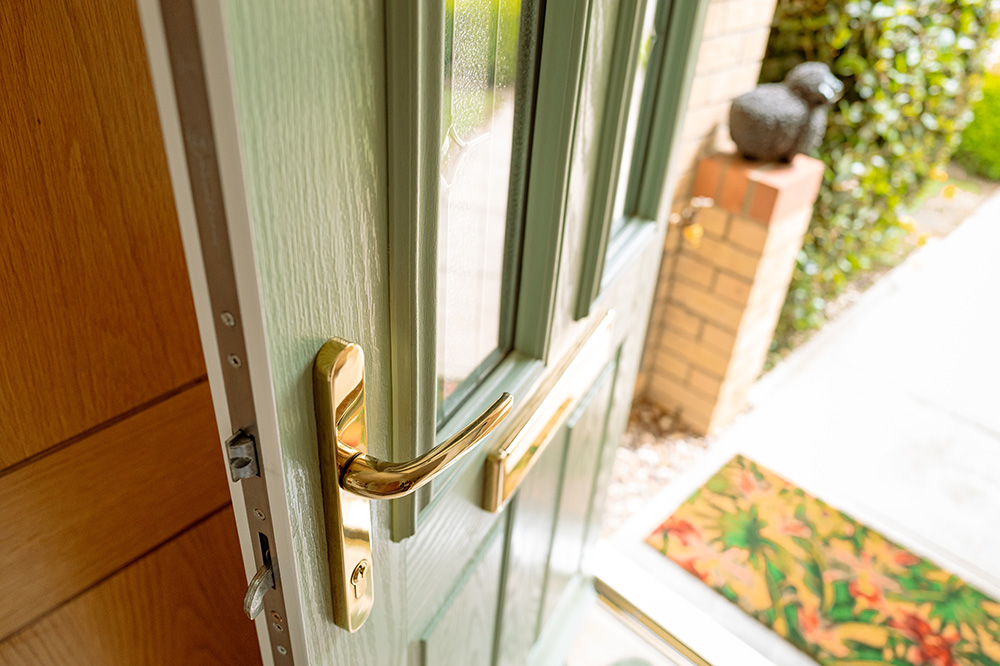
Your front door is the first thing you see when you come home and what other people see when they visit your home. It plays a crucial role in security, insulation, and kerb appeal. Choosing a new uPVC front door can significantly enhance your home’s appearance and functionality, but with so many options available, it’s important to think carefully before making a decision.
Here are the key things to consider when choosing the right uPVC front door for your property.
1. Match the style of your home
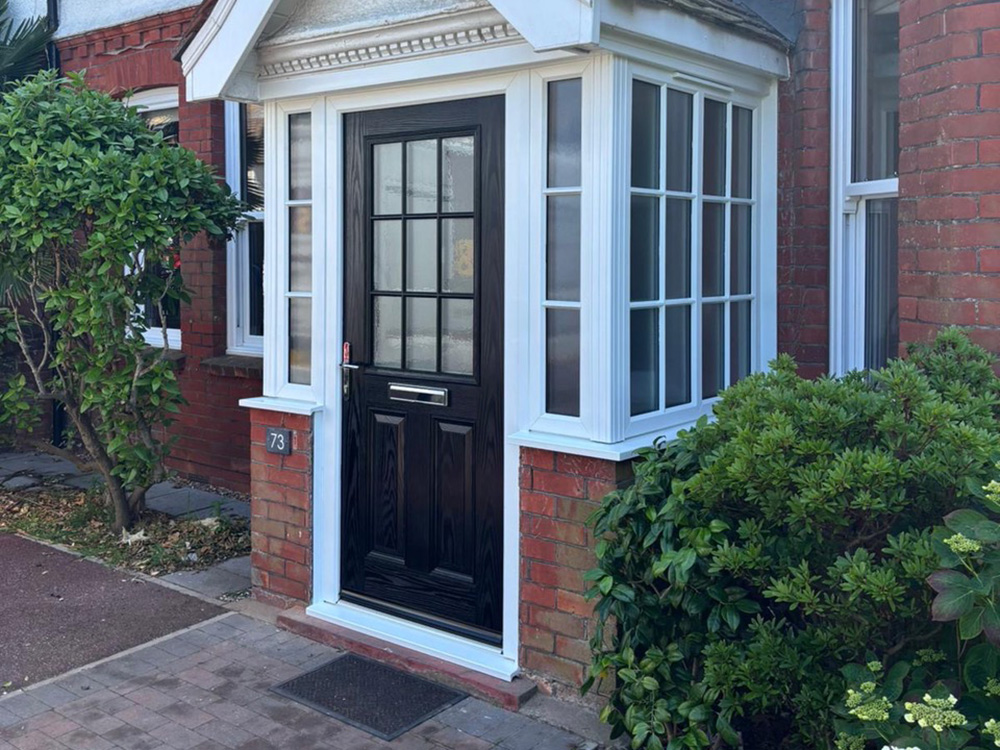
Your new front door should complement the existing style and age of your home. If you live in a traditional cottage or period property, a classic panelled design with woodgrain-effect uPVC may be the best fit. For more modern homes, sleek, minimalist doors with bold colours or contemporary glazing may be more appropriate.
Try to visualise the door as part of your home’s exterior – does it harmonise with your windows, brickwork, and general aesthetic? A mismatched door can detract from your property’s overall look.
2. Choosing the right material: Why uPVC?
uPVC (unplasticised polyvinyl chloride) is a popular material for front doors due to its affordability, low maintenance, and excellent thermal efficiency. Unlike timber doors, uPVC won’t warp, rot or need repainting, and it offers strong resistance to weather and high levels of insulation.
It’s also incredibly versatile in terms of design – available in a range of finishes, including realistic woodgrain effects, bold colours, and sleek, modern styles.
3. Door colour and finish
The colour of your front door can transform the appearance of your home. Whether you prefer a classic white, a rich anthracite grey, a bold heritage green, or even a vibrant red or blue, there’s a uPVC door to suit every taste.
Make sure the colour you choose complements your home’s exterior and window frames. Consistency in finish (for example, matching a rosewood door with rosewood windows) helps create a more polished, cohesive look.
4. Style & glazing: with or without a window?
Do you want a solid door or one with a glazed panel? Having a window in your door can allow more natural light into your hallway, creating a brighter, more welcoming entrance. However, it’s important to balance aesthetics with privacy and security.
There are many glazing options, including frosted, obscure, leaded, or decorative glass, which can provide light without compromising privacy.

5. Security features
Front doors are the first line of defence, so security should be a top priority. Look for a uPVC door with a multi-point locking system, toughened safety glass (if glazed), and robust internal reinforcement.
Check whether the door meets recognised standards such as PAS 24 or carries a Secured by Design accreditation – often required for home insurance purposes.
Also consider whether to include a spy hole or a security chain to safely check who’s at the door before opening.
6. Letterbox position & door furniture
It’s a detail often overlooked, but the position of the letterbox can affect how you use your door. Some homeowners prefer the letterbox positioned in the middle, while others want it lower down. If you have pets or security concerns, the type and location of the letterbox may be especially important.
Additionally, think about matching your door handles, knockers, and numbers in a finish that suits your style – chrome, black, brass or antique iron are all popular choices.
7. Home insurance considerations
Before buying your new door, it’s worth checking whether it meets the standards required by your home insurance policy. Insurers may stipulate that doors must be fitted with certain locks or conform to British security standards.
Choosing a door that meets or exceeds these standards could even help reduce your premiums.
8. The fitting process
Even the highest quality door will underperform if it’s badly fitted. A professional, well-sealed installation is essential for energy efficiency, soundproofing, and security.
Make sure your door is installed by a reputable, experienced fitter, ideally one who is FENSA or CERTASS registered, which means the installation complies with building regulations.
9. Choosing a reputable supplier
It’s essential to choose a trusted and experienced double glazing company for your new uPVC front door. Look for local reviews, check their accreditations, and ask whether they offer the following benefits:
- Free consultation and quote
- Wide choice of styles and colours
- 10-year insurance-backed guarantee
- Clear information on aftercare and servicing
Reputable installers will guide you through the process, help you choose the right design, and ensure the fitting is smooth and stress-free.
Swain Brother’s are a trusted double glazing installer in East Sussex
A new uPVC front door is more than just an upgrade – it’s an investment in your home’s security, efficiency, and appearance. By carefully considering the material, style, colour, and features, and choosing Swain Brothers as your reliable installer, you can enjoy a door that looks great and performs well for many years to come.
Ready to enhance your entrance? Speak to Swain Brothers today and explore the range of high-quality uPVC front doors designed to suit every home and budget.