
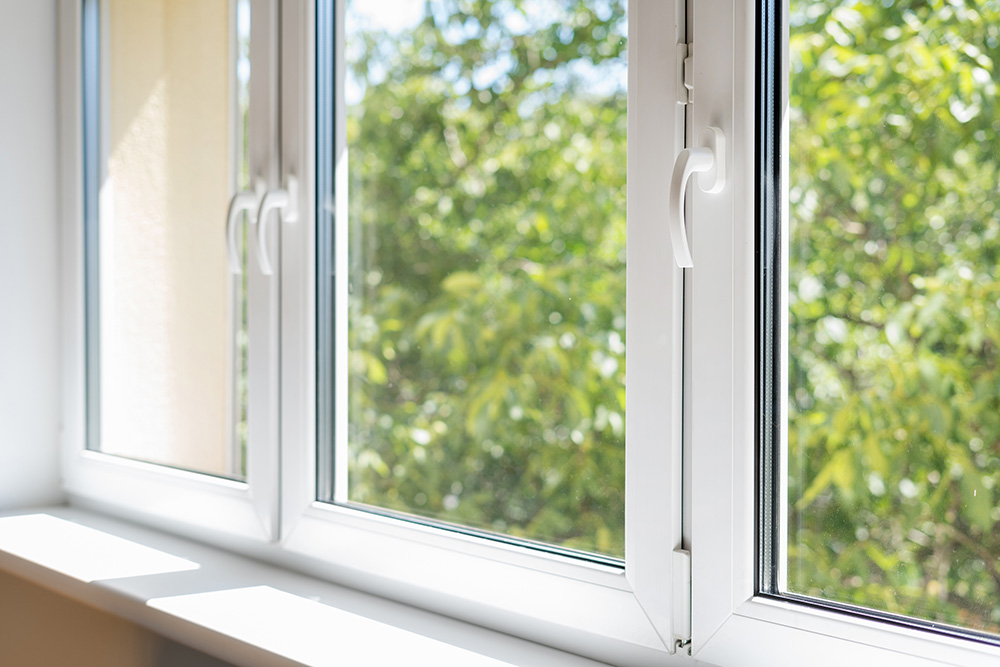
A comprehensive guide to double-glazed window styles
One of the biggest decisions you can make when it comes to home renovation is your window type, as their style can determine the very essence of the character of your home. Windows are far more than just a source of natural light and ventilation. They play a major role in your property’s kerb appeal, architectural character, and overall aesthetic.
The good news is that modern double glazing is available in a huge range of styles, materials, and configurations. Whether you’re updating a contemporary new-build, extending a family home, or preserving the charm of a period property, there’s a double-glazed window style to suit every project.
In this guide, we’ll explore some of the most popular window styles available today, starting with modern homes before looking at traditional and heritage-inspired designs.
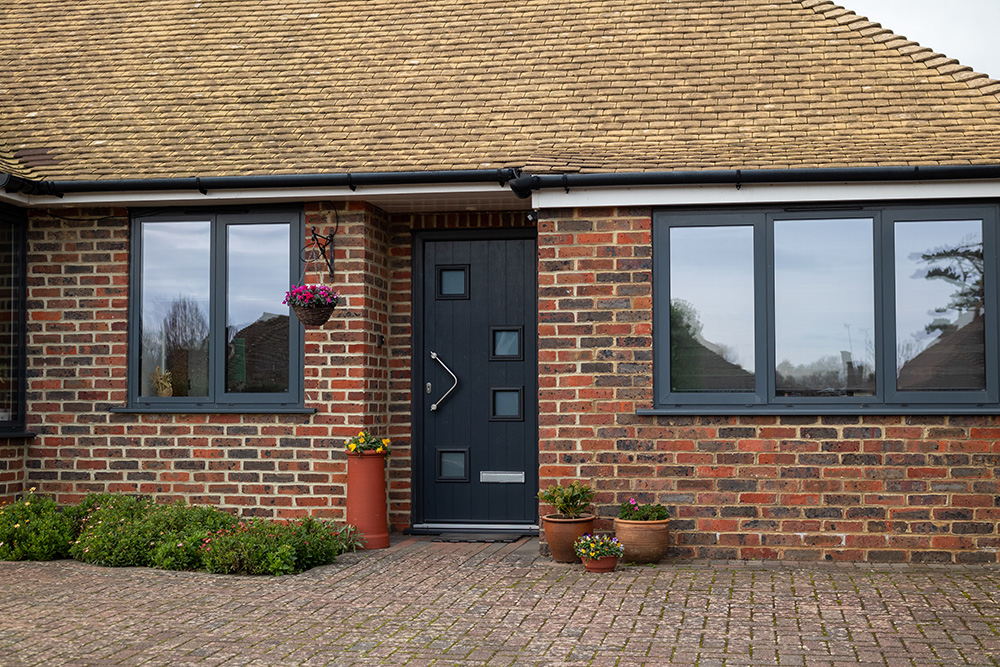
Modern double-glazed window styles
Casement windows
Casement windows remain the UK’s most popular window style. Hinged at the side and opening outwards, they offer a clean, versatile appearance that works well with both traditional and contemporary properties.
Their simple design allows for large glass panes, maximising natural light while providing excellent ventilation and energy efficiency.
Flush casement windows
A modern favourite, flush casement windows sit perfectly level within the frame when closed, creating sleek, uninterrupted lines.
They offer a minimalist appearance that suits modern architecture particularly well, while also being available in heritage-inspired designs for more traditional homes. Flush casements are often chosen by homeowners seeking a premium, streamlined finish.
Tilt and turn windows
Popular in contemporary developments and apartments, tilt and turn windows offer exceptional practicality.
They can tilt inwards from the top for secure ventilation or open fully inwards for easy cleaning. Their contemporary appearance complements modern architecture, while their functionality makes them particularly attractive for upper-floor installations.
Sliding windows
Horizontal sliding windows operate by moving one pane behind another, creating a simple and space-efficient solution.
Their sleek profile makes them ideal for modern properties where clean lines and minimal visual clutter are desired. Because they don’t project inwards or outwards when opened, they’re especially useful where space is limited.
Picture windows
Picture windows are large, fixed panes designed to frame outdoor views, just like a picture frame.
With no opening sections, they create uninterrupted sightlines and allow maximum natural light into a room. They’re often used in contemporary homes to create dramatic visual impact and connect interior spaces with gardens or surrounding landscapes.
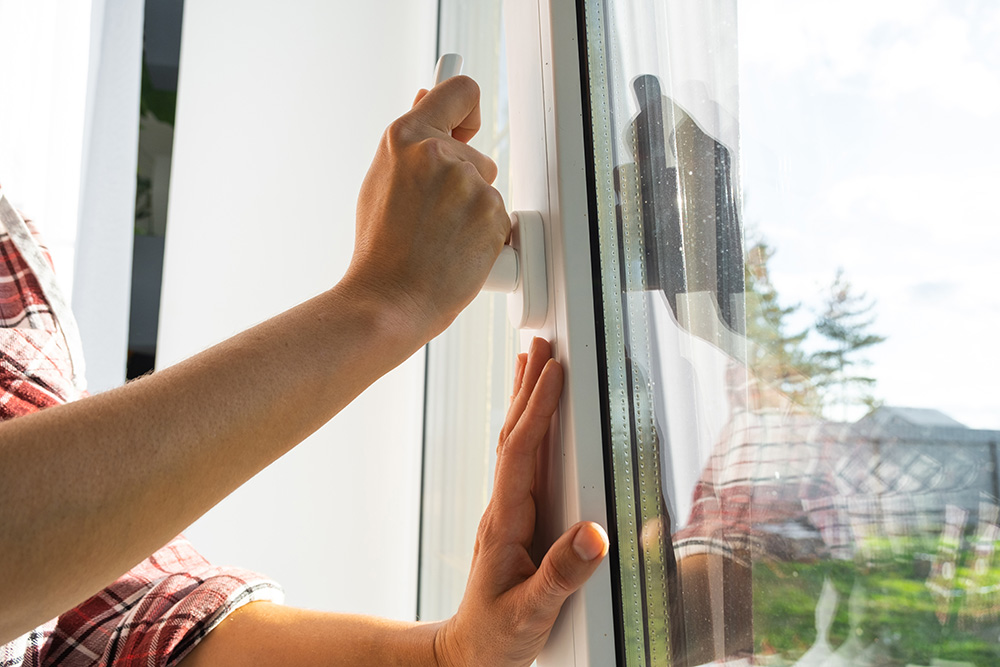
Floor-to-ceiling windows
Floor-to-ceiling glazing has become increasingly popular in modern architecture.
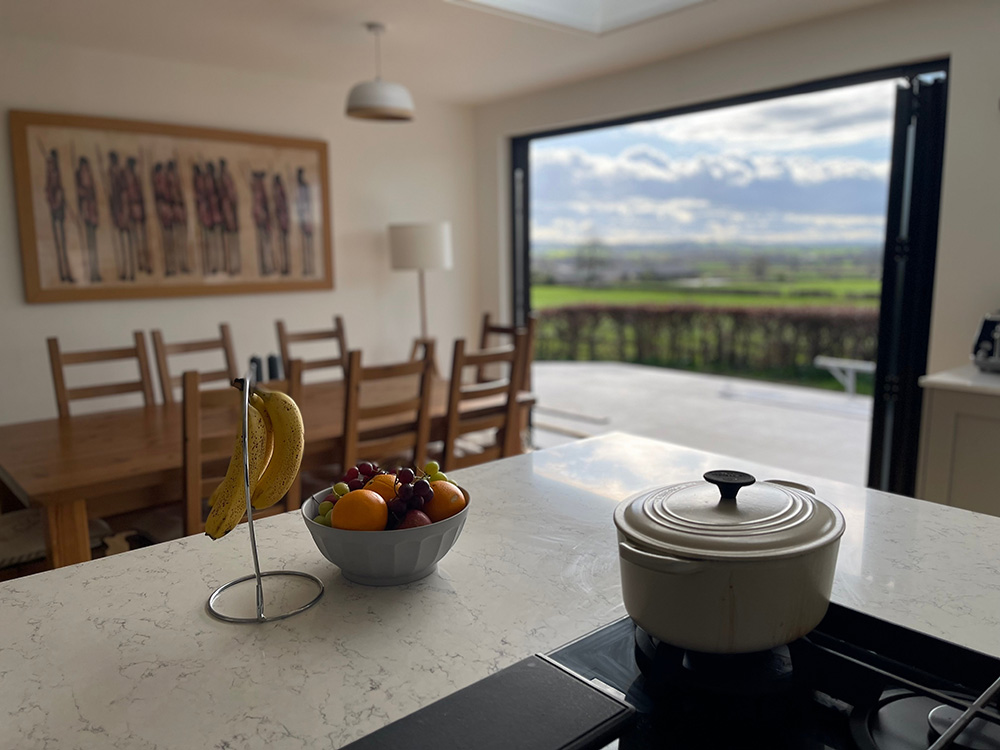
These expansive glass installations flood interiors with natural light, create a feeling of openness, and help blur the boundary between indoor and outdoor living spaces. They’re particularly effective in open-plan extensions and contemporary self-build projects.
Clerestory windows
Positioned high on a wall, clerestory windows bring natural light deep into a property while maintaining privacy.
They work well in modern extensions, kitchens, and living areas because furniture and cabinets can make full use of the available wall space. Their discreet appearance can add architectural interest without dominating the design.
Bi-fold windows
Bi-fold windows feature multiple panels that fold neatly together when opened.
They can create a seamless connection between indoor and outdoor spaces. Their contemporary appearance makes them a popular choice for modern renovations and entertaining spaces.
Transom windows
Transom windows are smaller windows positioned above doors or larger windows.
While often subtle in appearance, they help increase natural light levels and can add architectural character to a modern design. They are particularly useful for brightening hallways and open-plan interiors.
Bay windows
Bay windows project outward from the main wall of a property, creating additional interior space and allowing light to enter from multiple directions.
They can make rooms feel larger and brighter while adding visual interest to a home’s exterior. Bay windows remain popular in both modern and traditional homes.
Bow windows
Often confused with bay windows, bow windows feature a gentle curved appearance created by several connected window sections. Their softer, more elegant shape creates a panoramic outlook and can add a sense of grandeur to a property’s façade.
Roof glazing options
Modern double glazing isn’t limited to walls. Roof glazing can dramatically transform dark interiors and create impressive architectural features.
Pitched roof windows
Installed directly into sloping roofs, pitched roof windows are ideal for loft conversions and attic rooms.
They maximise daylight and ventilation while maintaining a sleek appearance from both inside and outside the property.
Roof lights and flat roof windows
Flat roof windows are installed within flat roof structures to bring daylight into extensions, kitchens, and living spaces.
Their low-profile appearance suits contemporary architecture while helping to make rooms feel larger and brighter.
Roof lanterns
Roof lanterns project above the roofline, creating an eye-catching feature.
They allow light to enter from multiple angles and can become a striking focal point in modern extensions. They work particularly well over dining areas and open-plan living spaces.
Sun tubes
Where conventional roof windows aren’t practical, sun tubes provide an effective alternative.
These reflective tubes channel natural daylight into hallways, bathrooms, and other internal rooms, helping brighten spaces that might otherwise rely entirely on artificial lighting.
Double-glazed windows for period properties
For homeowners looking to preserve historical character, modern double glazing can accurately replicate traditional window designs while delivering the energy efficiency and comfort expected today.
Traditional casement windows
Traditional casement windows are commonly associated with cottages, country homes, and early architectural styles.
Modern double-glazed versions retain the authentic appearance while incorporating contemporary insulation and security features.
Vertical sliding sash windows
Sash windows remain synonymous with many of Britain’s most recognisable period properties.
Rather than opening outward, the panes slide vertically within the frame. Their elegant proportions and timeless appearance make them ideal for Georgian, Victorian, and Edwardian homes.
Sash horns
Many traditional sash windows feature decorative sash horns, which are small projections located at the bottom corners of the upper sash.
Originally introduced to strengthen larger timber windows, they have become an important decorative feature and are often replicated in heritage-style double-glazed installations.
Georgian bar windows
Georgian bars divide larger panes of glass into smaller sections, creating the distinctive symmetrical appearance associated with Georgian architecture.
Today’s double-glazed versions recreate this classic look while maintaining modern thermal performance.
Leaded and diamond pattern glass
Leaded windows use decorative lead strips to create geometric patterns across the glass.
Square grids and diamond-shaped designs are particularly popular in cottage-style properties, Tudor-inspired homes, and conservation projects, adding character and visual texture.
Gothic arches and radius windows
Arched windows can create a striking architectural feature.
Gothic arches feature pointed tops often associated with historic buildings, while radius or curved arch windows have softer, rounded profiles. Modern double glazing allows both styles to preserve their period character.
Palladian windows
Palladian windows are among the most elegant period window styles available.
They typically consist of a large central arched window flanked by two smaller rectangular windows. Together they create a grand, symmetrical appearance often found on classical and Georgian-inspired properties.
Dormer windows
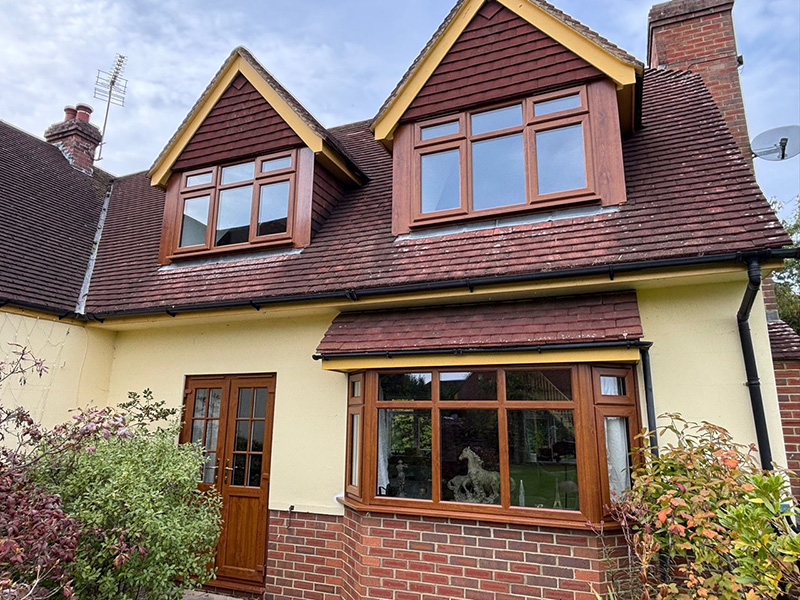
Commonly found on period homes and loft conversions, dormer windows project vertically from a sloping roof. They increase usable interior space while adding character and visual interest to the roofline.
Finding the perfect style for your home
With so many double-glazed window styles available, homeowners have more choice than ever before. From sleek flush casements and expansive floor-to-ceiling glazing to traditional sash windows and elegant Palladian designs, the right windows can enhance both the appearance and performance of your property.
Whether you’re creating a striking contemporary home or preserving the charm of a period property, choosing a window style that complements your architecture will help ensure your investment looks beautiful for years to come.
Contact Swain Bothers today to discuss what style of double glazing would best suit your property.